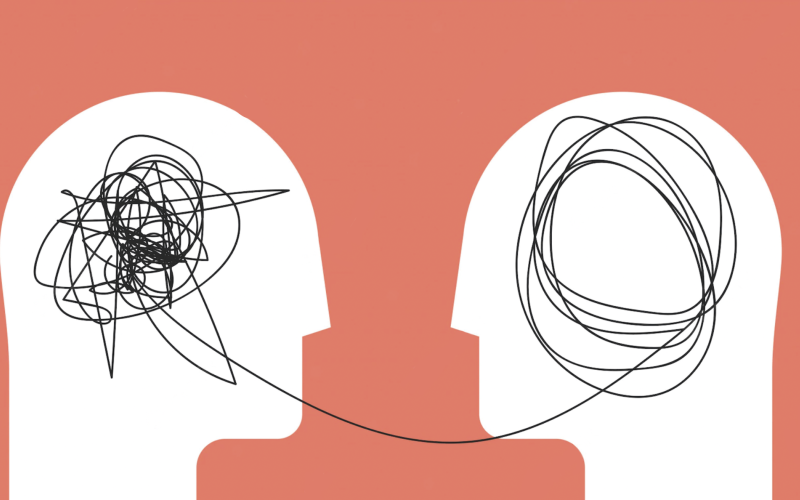
At the beginning of my training, our teacher often told us that if we wanted tools, we could go to a hardware store. I was always somewhat sceptical when they said this because, fundamentally, I believe that tools do exist in therapy.
During my training and later in my work as a psychotherapist, I discovered that therapeutic tools only become effective when you make them your own. You cannot simply receive or take them from someone else if they are to work properly in your life. This is where therapy can help: finding tools and discovering how they can be applied in your particular life.
My wise teacher also said that a therapist's task is to shine a torch around so clients can see their surroundings and the possibilities that are already there but have not yet been noticed. Clients must walk the path themselves, while we therapists walk beside them with our torches.
The most effective tools
The most effective tools we all possess are our brains and our hands, and this is where the key to change lies. The brain is wonderfully complex and capable of creating both order and chaos. Our hands represent our ability to turn thought into action. When we ask for tools, we might say that we are really searching other people's minds for solutions to our own problems.
There can be many reasons for looking inside someone else's mind for solutions. Sometimes it stems from uncertainty and a lack of trust in our own abilities. What we really need is help learning, or relearning, how to build confidence and trust in ourselves – someone to shine the torch. In this way, we discover that chaos cannot always be avoided, but we can learn to navigate through it and find a new balance in life. Through the therapeutic relationship, we can find solutions that work for us and move us towards where we want to be.
Both the beautiful and the frightening thing about life and growth is that it is together with others that we can become ourselves.
Louise Haibrock is a qualified psychotherapist and social educator with a practice in central Hillerød. Read more at psykisksundhed.nu